Web application
DVN Links
From a link shortener to a SaaS platform
How Digital Vantage rebuilt its own link shortener into a SaaS platform in three weeks
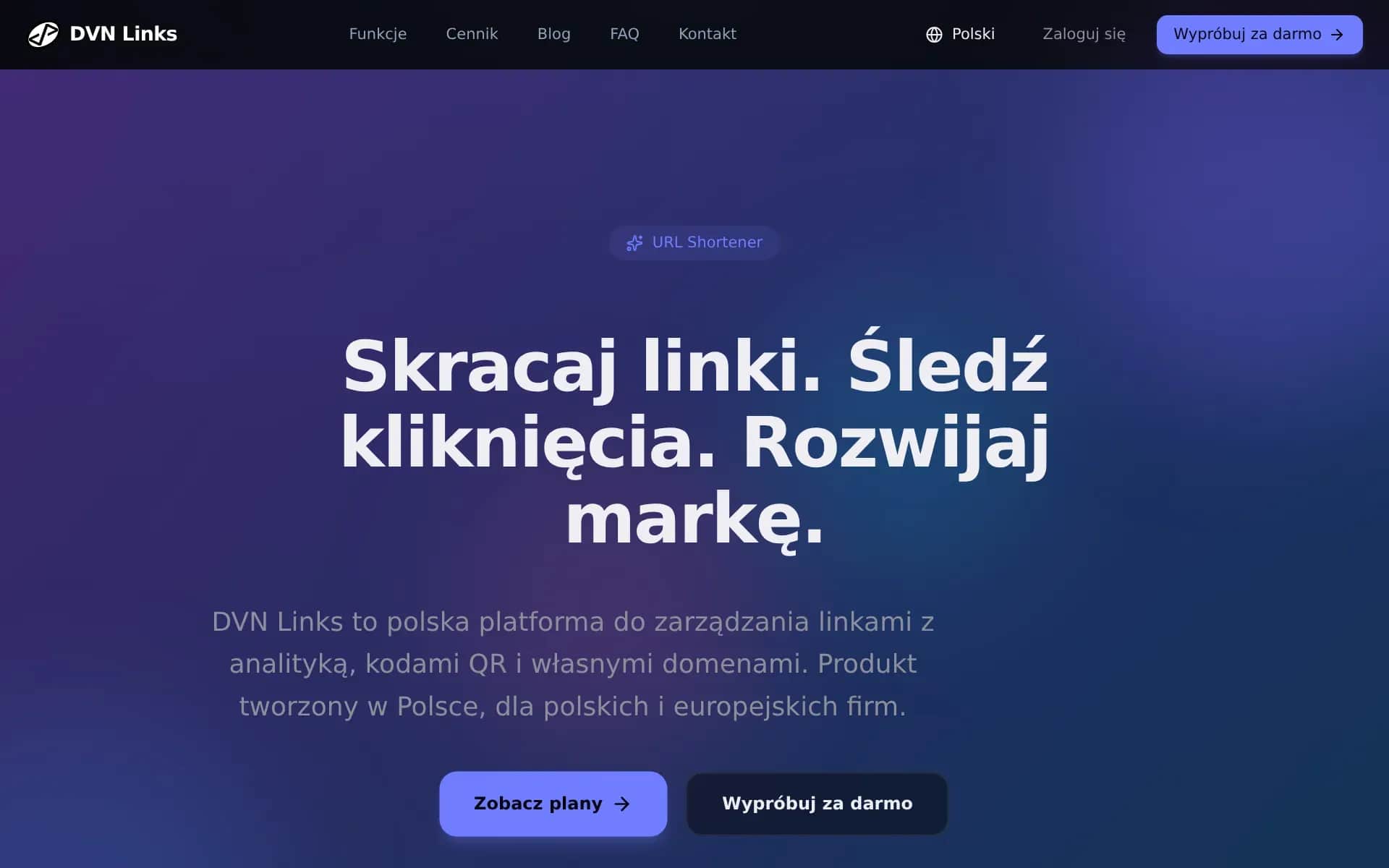
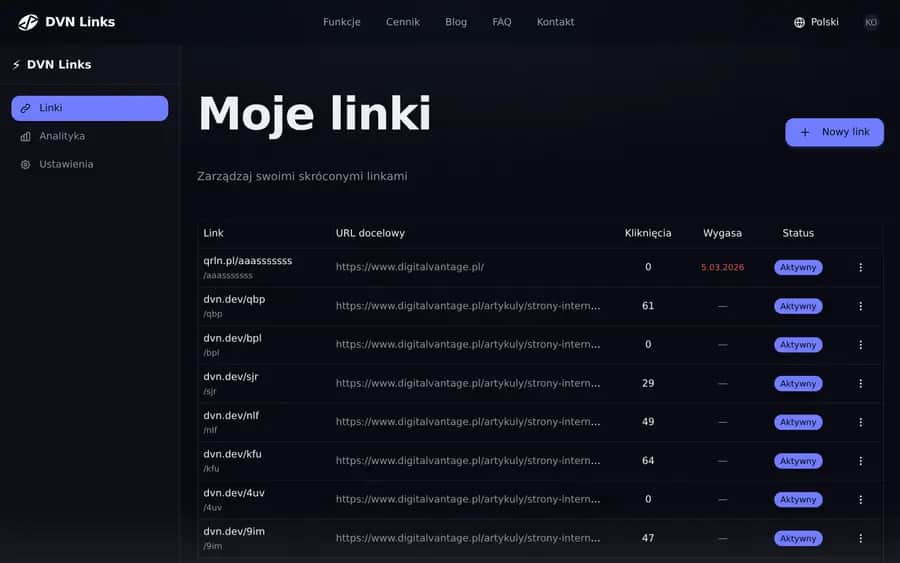
Digital Vantage's flagship product. A simple 2025 link shortener rebuilt into a full SaaS platform — accounts, plans, payments, an API and analytics — in three weeks of concentrated solo work. The product is pre-launch, so this case sells pace and engineering, not revenue figures.
21 days
From shortener to SaaS platform
- Client
- DVN Links
- Year
- 2026
- Tech stack
- Next.js 16 · React 19 · Payload CMS 3
- Timeline
- ~3 weeks (v1 → v2.0), then iterations
- Location
- Poland
- Live version
- dvnlinks.pl


01Context
Challenge
The first version of DVN Links was exactly what the name promised: a shortener for a single user, us. Turning it into a product meant adding everything that separates a tool from a service — accounts, plans, payments, limits, an API, analytics and marketing content. Each of those gaps is a week of work; together they are a rewrite.
The market gave a concrete reason: a pricing gap between the free tier and the USD 25–35/month the large players charge, no serious emphasis on privacy, and an unserved CEE market — invoices in PLN, support in Polish, GDPR at no extra cost. The hard constraints (one person, our own VPS, zero budget) shaped the architecture more than any preference could.
02Solution
Approach
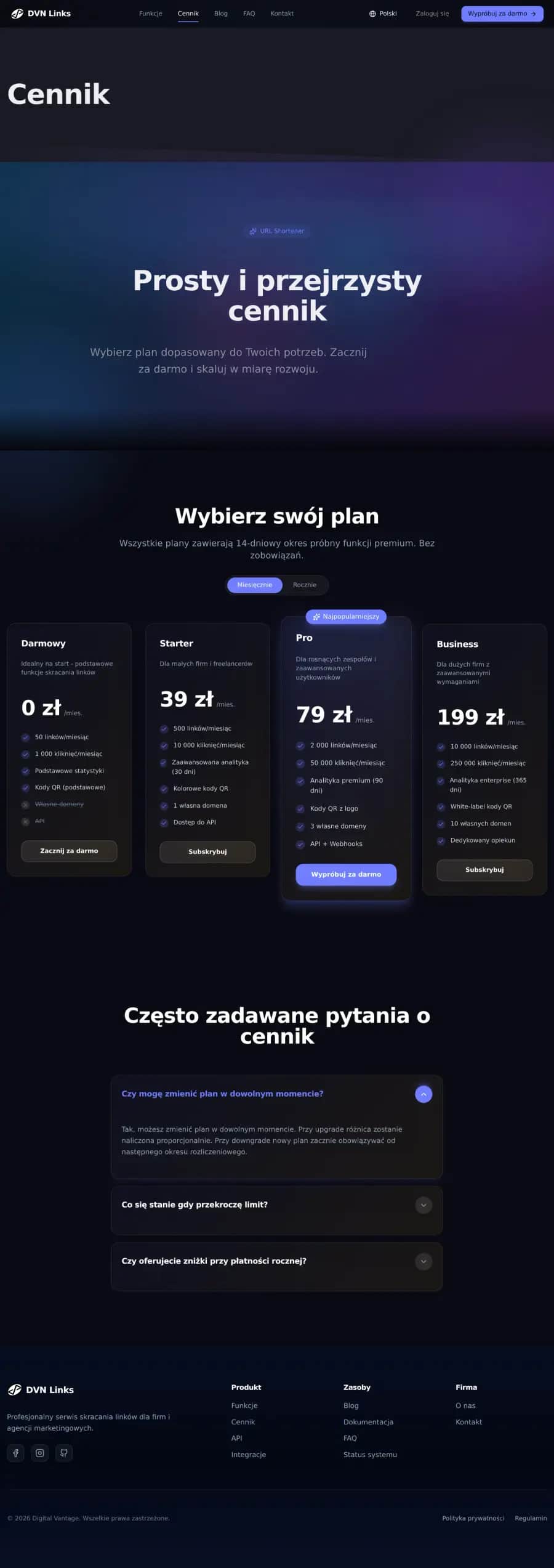
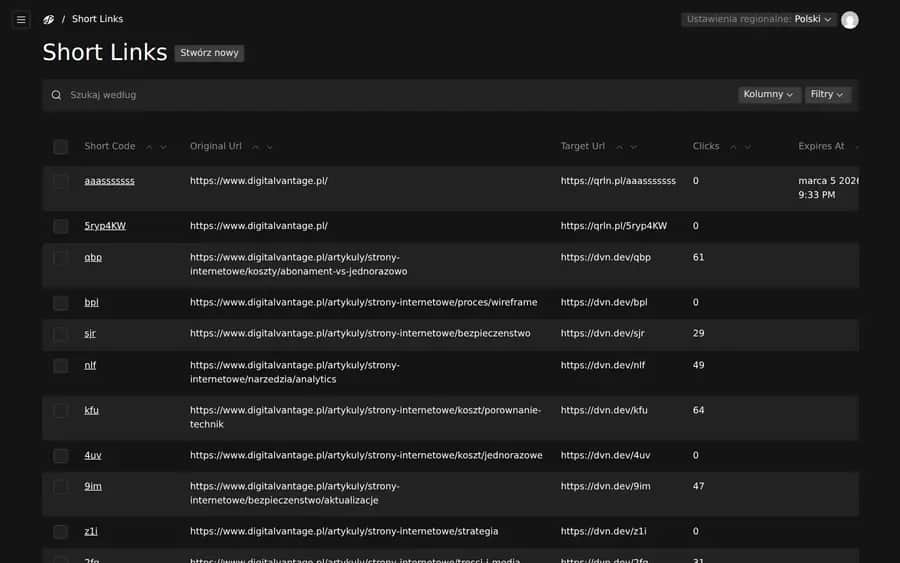
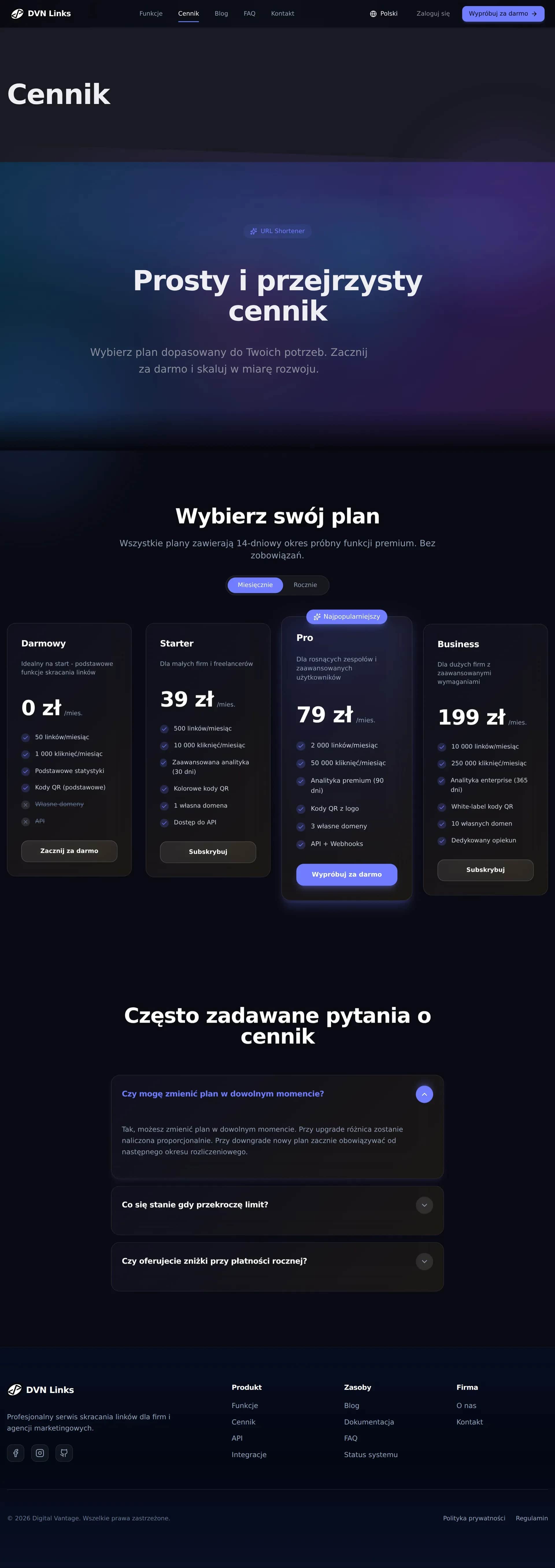
Payload CMS became the foundation — backend, admin panel and CMS in one. For a one-person team that is a decision about maintenance cost: one data model instead of three separate systems. Plans and limits live in the database rather than in code, so a pricing change is an edit to a record instead of a deployment, and it syncs to the payment provider automatically.
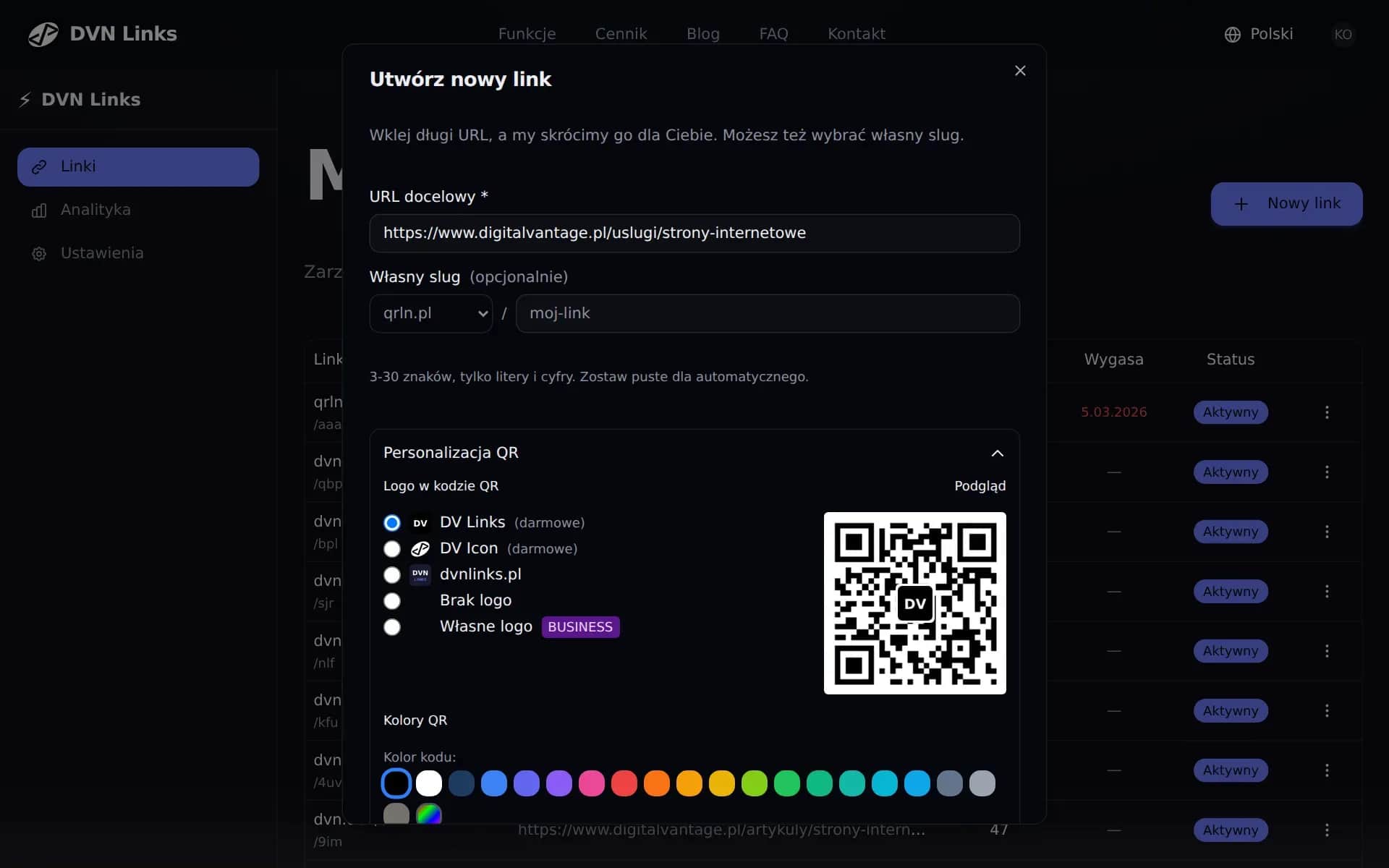
Link safety is wired into the moment a link is created, not into a separate process — a bad URL never reaches the database. That matters commercially: a shortener is inherently a phishing tool (30% of attacks use shortened links) and trust in the domain is the product here. Domain access, limits and QR branding depend on the plan, so the price list is backed by real features rather than by marketing.
03Proof
Results
21 days
From shortener to SaaS platform
1,312
Automated tests
78.6%
Code coverage (statements)
82 links / 2,617 clicks
Migrated with no data loss
5
Vulnerabilities fixed before launch
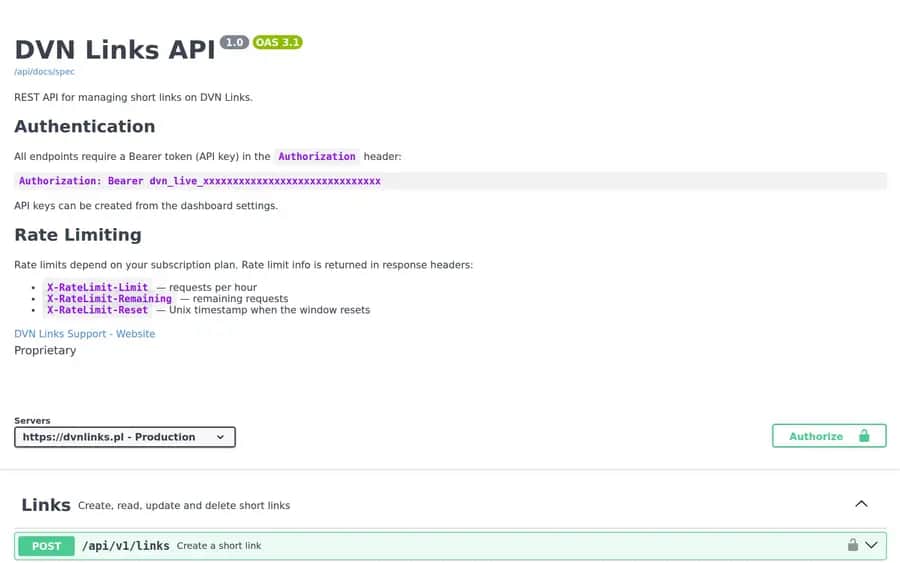
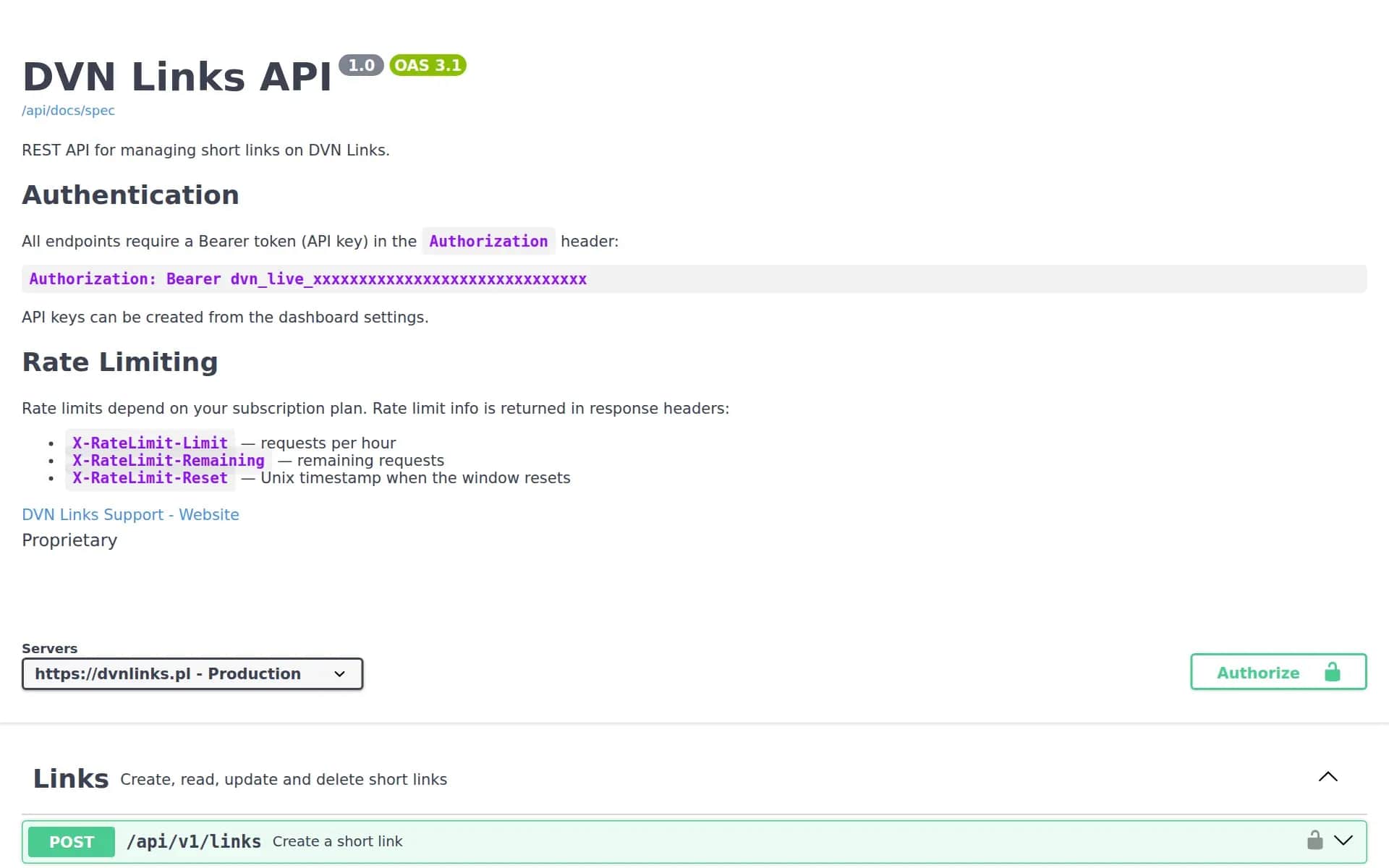
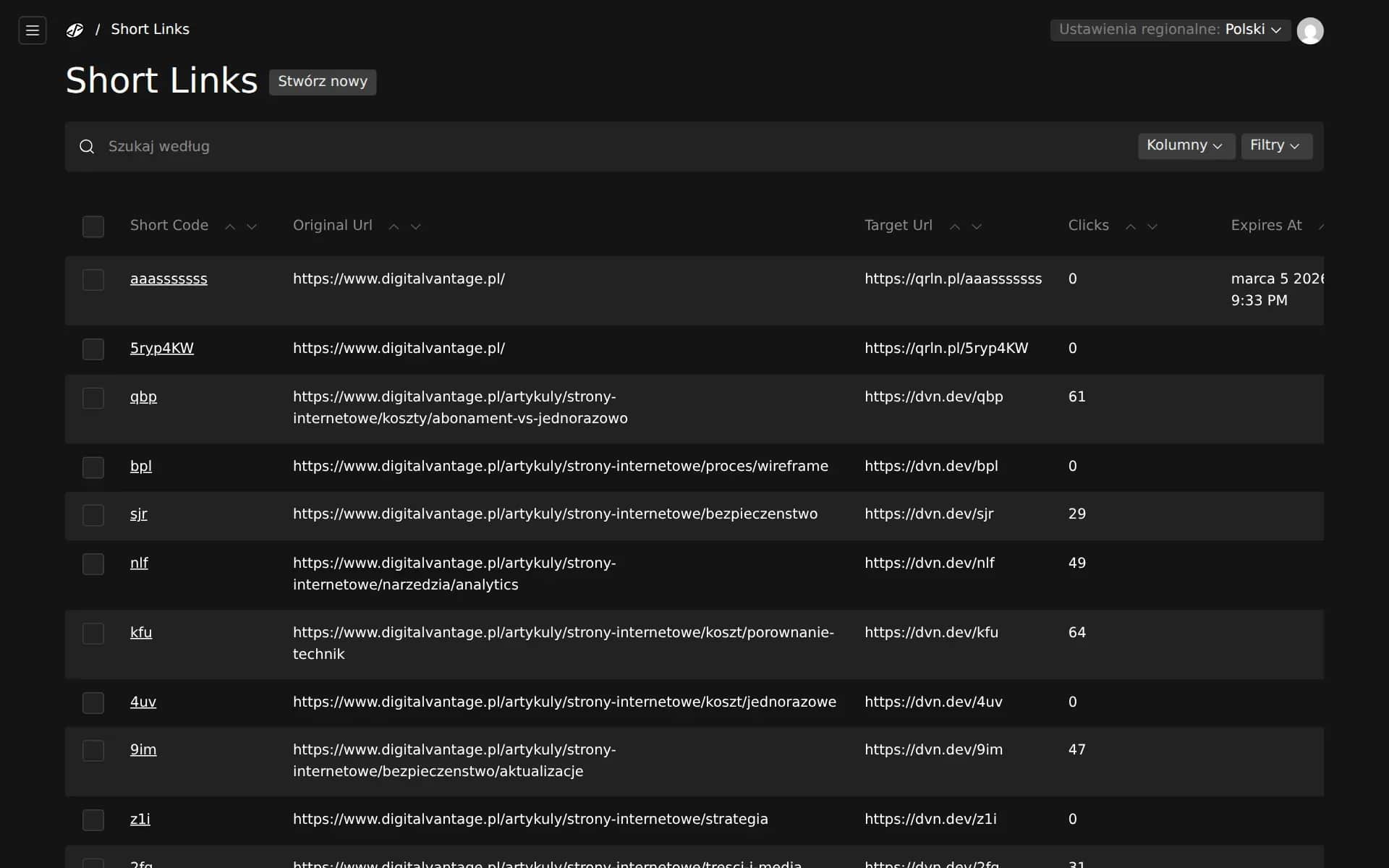
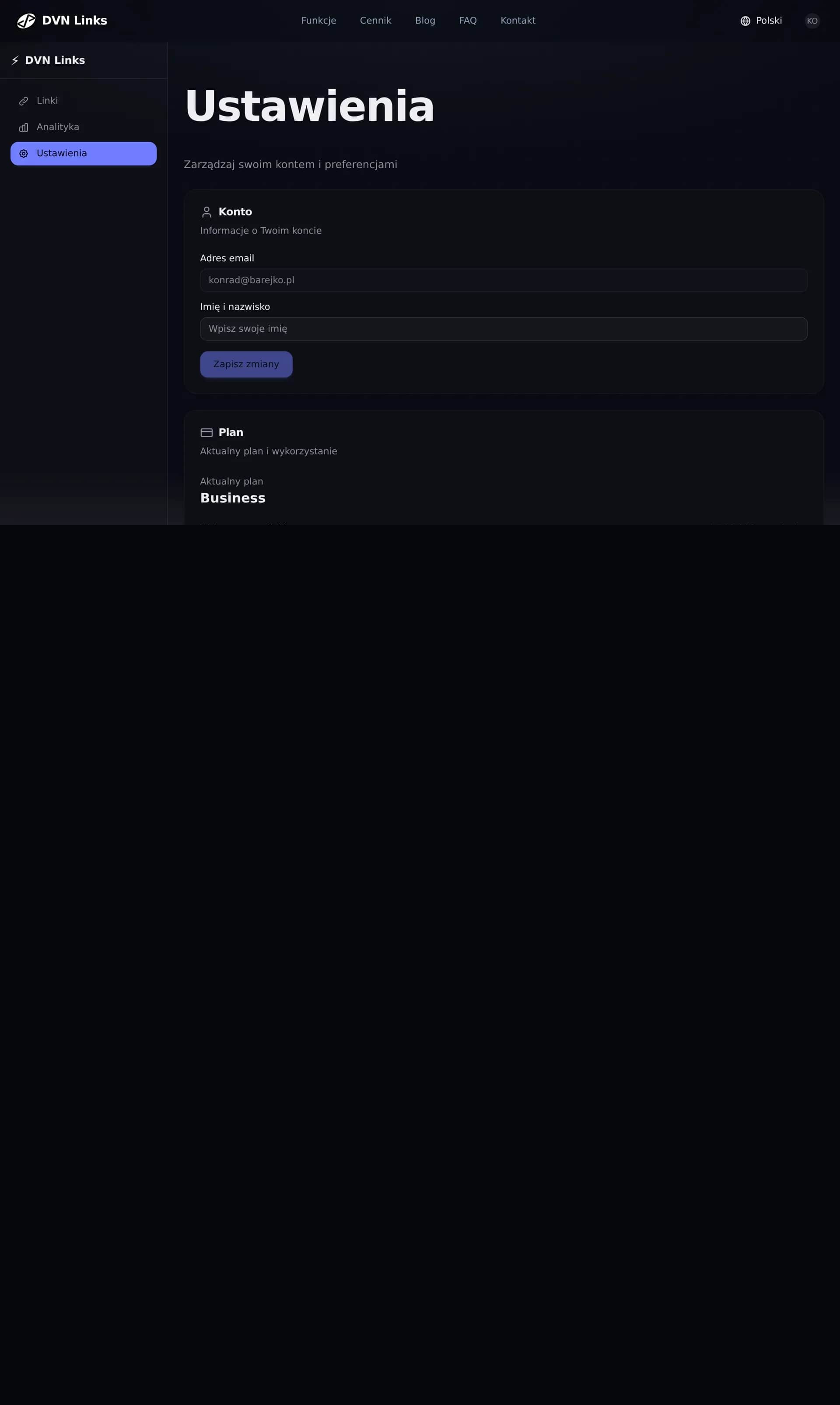
The shortener became a SaaS platform in 21 days: 80% of all commits in the project fall inside three weeks of February 2026, and that window produced payments with a billing portal, five plans with enforced limits, authentication, an analytics dashboard, a documented REST API and a marketing site on the page builder.
The pace was possible because of the safety net — over 1,300 automated tests and 78.6% statement coverage. Migrating 82 links from the old version lost no data, preserving 2,617 clicks and the QR codes. A pre-launch security audit caught five vulnerabilities, including unauthenticated read access to the entire link database — precisely the class of thing that costs a reputation when it surfaces after launch rather than before it.
A SaaS product ready for commercial launch, built solo in three weeks on a net of 1,300+ tests.
Desktop and mobile
The dashboard at your desk, shortening in your pocket
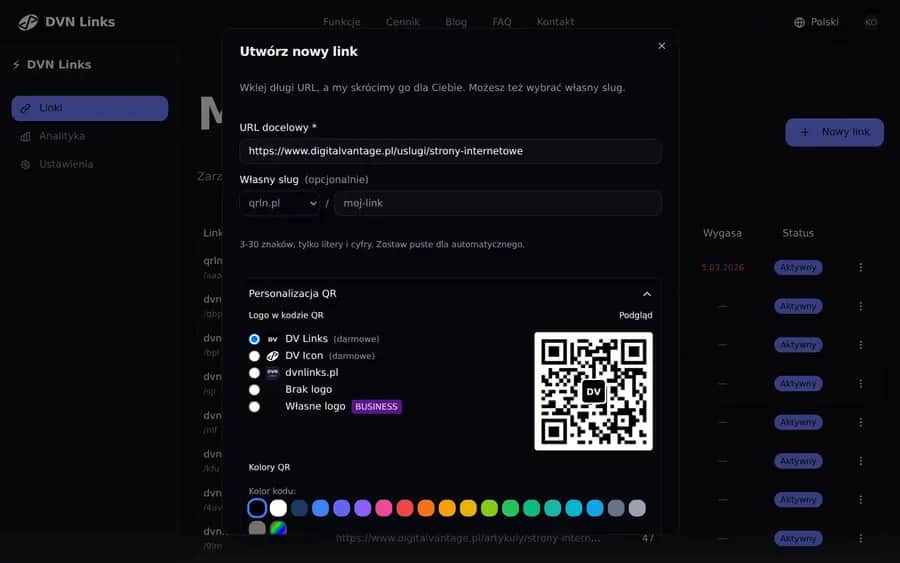
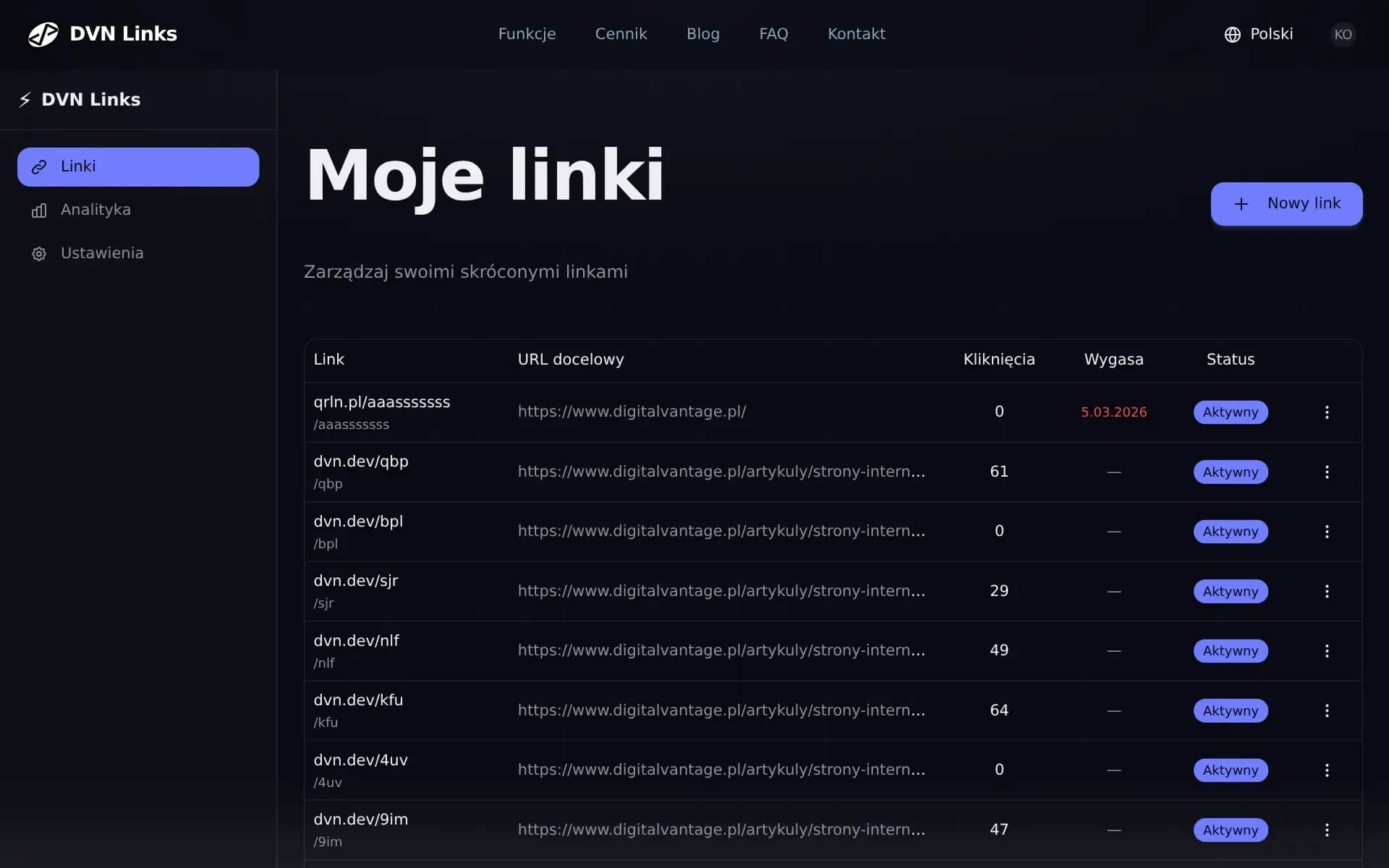
The analytics dashboard runs at full width on a desktop, while creating a link and checking its QR code sit within thumb reach on a phone — one product in two modes of use.



Tech stack
- Next.js 16
- React 19
- Payload CMS 3
- MongoDB
- Redis
- Stripe
- Cloudflare
- Docker
YOUR PRODUCT
Have an idea for a SaaS tool of your own?
From an idea to a working application — I will design and build a product you run from a single panel.