Marketing on the InternetAnalytics ToolsSaaSBusiness tools21 min czas czytania30 458 znaków4154 słowa
QR Code and Short Link - how to use them in online marketing
A practical guide for entrepreneurs: how to use QR Code and Short Link, specific uses, creation instructions, analytics and pitfalls to avoid.
What do you find in the article?
- Effectiveness statistics - QR codes increase CTR by 30-40% over traditional marketing methods, and short links improve engagement by 25%.
- Specific industry applications - From contactless menus in foodservice to digital business cards in B2B, with examples of companies that have increased conversions
- Optimization Guide - How to set the right size of codes, create branded links and use UTM parameters for precise campaign tracking
- Metrics and KPIs to monitor - Which metrics actually measure campaign success (scans vs conversions, geographic analysis, bounce rate)
- Seven most common mistakes - From targeting suboptimal landing pages to ignoring analytics data that destroys ROI from campaigns
Introduction - why QR codes and short links are a must-have for every entrepreneur
When was the last time you tried to transcribe a 50-character link from a poster to your phone? Or clicked a link so long in an SMS message that it barely fit on the screen? Such situations are discouraging - and that's why QR codes and short links have become an essential tool for the modern businessman.
The average Internet user today has a focused attention span of just 8 seconds. In that short time, he or she must evaluate whether your offer is worth their time. Every extra hurdle - a long address to rewrite, convoluted URLs or having to search for your company on Google - is a real loss of conversion.
The statistics don't lie: campaigns using QR codes achieve on average 37% higher conversion rates than traditional methods. Short links, on the other hand, can increase the CTR of SMS campaigns by up to 45%. This is probably because they eliminate the friction between customer interest and taking action.
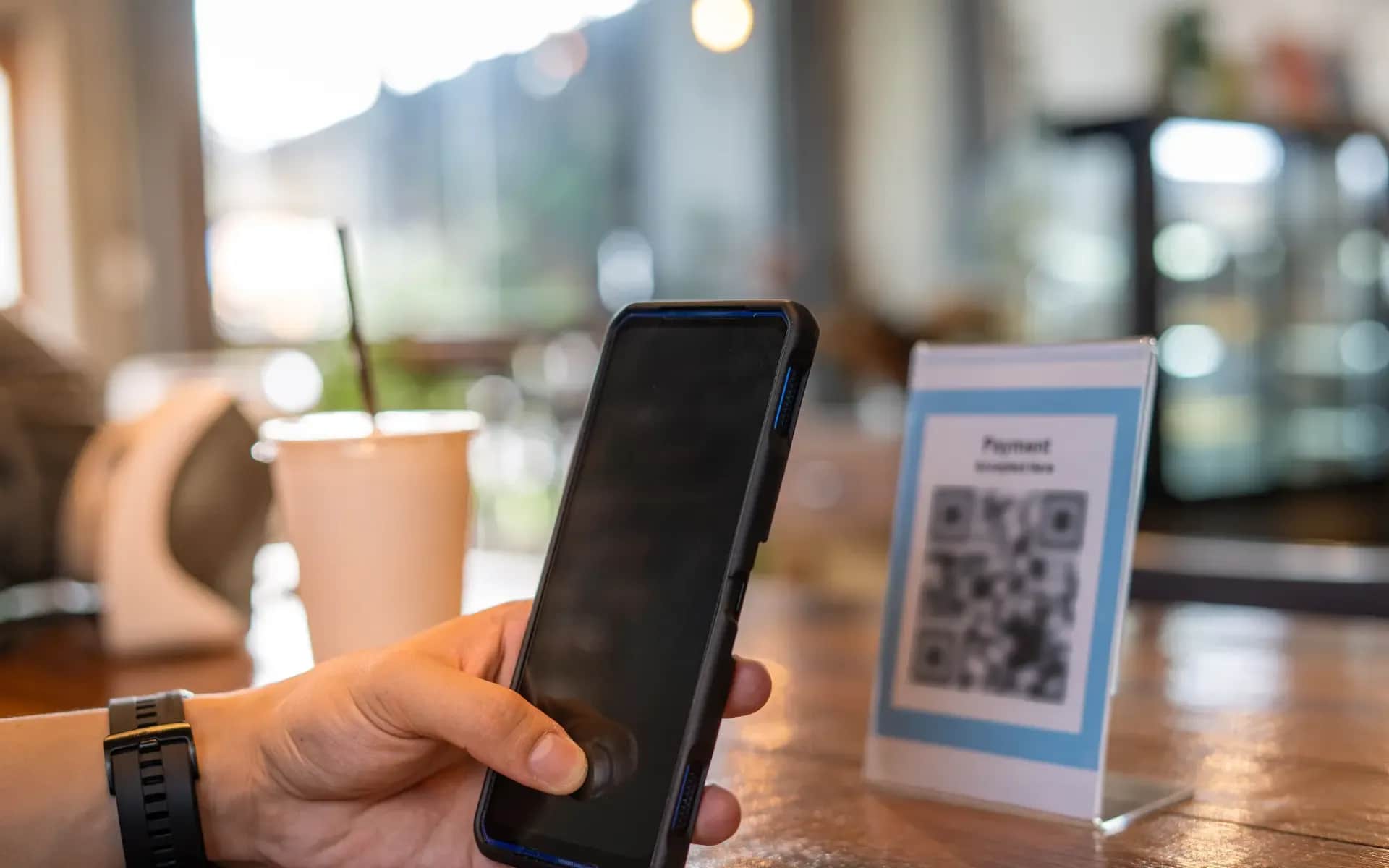
Imagine a customer in a coffee shop who sees your promotion poster. Instead of transcribing "https://twojafirma.com/oferty-specjalne-dla-nowych-klientow-2024," he can simply scan the code and be instantly on the landing page. This is no small convenience - it's the difference between "maybe later" and "I'll check now." You'll get a similar effect by placing short links on business cards, in newsletters or in outdoor advertising.
Traditional, long URLs are a relic of the desktop era. In a world where about 65% of traffic comes from mobile devices, every character matters. Long addresses often don't fit in SMS, spoil the layout of emails and are prone to transcription errors - which can suggest a loss of traffic and customers.
In this article, I will show how to use QR codes and link shortening to increase sales, improve campaign tracking and build a more professional brand image. As a practical example, we will usedvnlinks.co.uk - Polish platform combining link shortening with advanced analytics and QR code generation.
You'll see specific applications in a variety of industries - from retail to food service to B2B. You'll also learn how to avoid common mistakes (such as poor code placement on printed materials) and discover that even small changes can bring significant results to your business. It seems a good idea to start with small tests - A/B on short links or different versions of QR codes - to quickly see what works best.
What are QR codes and short links - basics for entrepreneurs
Although both technologies have been with us for years, many people still treat them superficially. It's time to change that - it's worth looking at them as effective business tools that can facilitate customer service, increase conversions and provide valuable analytics.
How QR Code can increase customer engagement and collect real-time data
The QR code (Quick Response) was developed in 1994 by Japanese company Denso Wave as a response to the limitations of traditional bar codes. While a regular barcode usually holds a maximum of about 20 characters, QR is capable of storing up to 4296 alphanumeric characters.
What can be stored in a QR code? Virtually everything: URLs, business cards (vCard), GPS coordinates, Wi-Fi passwords, short promotional content, and even links to small files. A restaurant can put the entire menu (with descriptions and photos), a store - immediately lead to a specific product catalog, and a service company - provide a set of contact information with the ability to instantly save to the address book on the phone. This is not theory - we see such applications every day: on tables in restaurants, on product packaging or in conference materials.
The advantage over traditional barcodes is great. A QR code can be scanned from almost any direction, it works even when partially damaged (up to about 30% of the surface), and the scan itself takes a fraction of a second. No special reader is needed - just a smartphone, which most customers carry with them, so implementation seems relatively simple and cheap. Probably the biggest barrier is just convincing the team to use them thoughtfully.
An additional advantage is the possibility of graphic personalization. Changing colors, subtly incorporating the logo or matching the visual identity of the brand makes the code cease to be just a technical element - it becomes a piece of brand communication. It can suggest professionalism and visual consistency, and at the same time it does not lose functionality, if appropriate contrast and safety margins are maintained.
How short links improve the UX and analytics of marketing campaigns
The mechanism of short links is based on the simple principle of redirection. Clicking on a shortened address first directs the user to the shortening service's server, which immediately redirects the user to the target page. However, this seemingly simple mechanism opens up quite a lot of analytical and personalization possibilities - all you need is a good tool.
The difference between publicly available shorteners and dedicated solutions is important. Popular sites like bit.ly or tinyurl.com offer basic functions, but professional platforms (such as white-label solutions) go further. They allow detailed traffic analytics, user segmentation, A/B testing of different landing pages for the same link, and even retargeting of people who clicked on a specific address. A practical example: one ad can lead to different versions of a landing page depending on the traffic source - social, email or banner - without having to create separate addresses for each campaign.
Branded short links also change the perception of the company. Instead of the anonymous "bit.ly/x8k9m2," you can use "yourjanazwa.co.uk/promotion" or "sklep.co.uk/nowosci." Such an address builds trust, looks professional in marketing materials and increases brand recognition. In addition, shortened links with the company's domain name can improve the click-through rate - market data shows that it can average about 34% increase.
To sum up: both QR codes and short links are no longer just a technical curiosity. When properly implemented, they become practical sales and communication tools - all you have to do is plan their use and measure the effects.
Business benefits of QR codes and short links
Now that you understand the mechanisms of operation, it's worth looking at what specific benefits they can bring to your business. It's not just a technological gadget - it's a tool that translates into measurable financial results.
Major benefits for the company: from increased conversions to better campaign tracking
The biggest barrier in the customer path is friction - every extra step lowers the chance of conversion. Rewriting a long link from a billboard sounds trivial, but in practice it can kill interest. Similarly, typing in an address from an old business card seems like a small effort, yet many users give up.
QR codes eliminate these obstacles with a single scan. A customer seeing an ad on the subway can get to a product page within seconds. That's often the difference between short-term interest and concrete action - a purchase, newsletter signup or appointment.
Data from marketing campaigns looks promising. Companies using QR codes in printed materials record an average 47% higher response rate than with traditional methods. In SMS campaigns, short links can increase CTR by up to 78% compared to full, long URLs.
User experience becomes more seamless. Instead of interrupting the customer's natural decision-making process, you guide them step by step. A code scan from a product on the shelf can redirect directly to detailed specifications, reviews from other customers, or an order form - without unnecessary jumps. A practical example: a restaurant that gives a QR with online ordering instead of a traditional menu often records a higher average bill thanks to add-on suggestions.
How to measure the effectiveness of campaigns with QR and short links using KPIs and UTMs
Much of the business value lies in this area. Every click on a short link and every code scan is a data point about user behavior.
You can see not only the number of scans, but also when exactly they took place and from which devices. This information allows you to optimize campaigns with precision. If a code located at a gas station has a peak of activity at 8:00 a.m., you're probably hitting commuters - and you can tailor your message for that group.
Segmenting traffic by channel gives you a more complete picture of the effectiveness of individual marketing efforts. You'll compare conversions from codes in a trade magazine and from flyers handed out at trade shows. Each channel has an identifier, so it's easier to calculate the cost of customer acquisition for a particular medium.
ROI becomes measurable in near real time. Platforms likedvnlinks.co.uk show not only the number of clicks, but also the conversion path - from the first scan to the finalization of the order. This will tell you which users actually finalized a purchase after a code scan, and which sources only generate traffic, not sales.
Examples and tactics that increase CTR and conversions with QR codes
In 2024, users expect easy and fast access to information. A company that forces you to manually type in addresses or search for a site on Google may seem outdated.
QR codes and short links signal that you are keeping up with technology. This is especially important in industries where innovation matters - from IT to financial services. Customers often subconsciously associate modern tools with higher quality service and professionalism.
Competitiveness increases almost automatically. When others continue to hand out business cards with long addresses, you offer instant access to a portfolio, price list or contact form. In practical terms - this can determine the choice of contractor. A seemingly minor advantage in convenience can sometimes be crucial.
Practical scenarios for using QR and short links in e-commerce, foodservice and B2B
Theory is one thing, but the true value of QR codes and shortened links is only learned in practice. Every industry has its specific needs and pain points - let's see how these tools solve specific business problems.
How online and stationary stores are integrating QR codes to shorten the purchase path
An online store is where every click can turn into a sale. In print on product labels in a stationary store, a QR can immediately direct the customer to a review, an expanded specification or a short instructional video. It's a convenient connection between the offline and online worlds.
In email campaigns, short, branded links work better than long URLs. Instead of a complicated address, you use, for example, yourjsklep.pl/nowosci - the link is readable, builds brand recognition and gives detailed click-through data. In SMS, this is even more important: you save characters and increase the chance that the recipient will respond.
Loyalty programs benefit when the receipt contains a code leading to a points credit form, satisfaction survey or special offer. The customer scans it, the system recognizes the purchase and presumably automatically accrues the benefits - less work for staff, more convenience for the customer. Example: a receipt with a QR directing to a page where points are credited automatically after entering the receipt number.
Practical applications of QR and short links in B2B sales and customer service
A business card with an embedded QR is nowadays a standard, not an extravagance. Once scanned, the contact goes to your phone along with links to LinkedIn, your company website or portfolio - no more rewriting and errors.
Presentation materials become more interactive. Each slide can contain code for a case study, additional files or a contact form. The recipient doesn't have to take notes - everything is at hand one scan at a time. This is especially useful in meetings with B2B clients, where quick access to documents can speed up decisions.
For agencies and freelancers, shortened links are a goldmine of data. Using dedicated links - e.g., yourfirma.com/linkedin in profile, yourfirma.com/newsletter in mailing, yourfirma.com/recommendation in referral messages - you can easily identify which channels generate the best customers. Such segmentation can suggest where to invest your marketing budget.
QR code applications in restaurants: contactless menus, ordering and loyalty programs
Pandemic has accelerated the introduction of contactless menus. A QR on the table leads to the menu, ordering and payment - without touching the physical menu. This allows the restaurateur to instantly update the offer without printing costs. In practice, this means faster service and less risk of ordering errors.
Promotions and contests are becoming easier to implement. A QR on a package or receipt can direct you to a prize drawing, a points accumulation program or a survey about culinary preferences. Each scan is a potential lead and data for further marketing efforts - such as segmenting customers by favorite dishes.
Integration with reservation systems closes the service loop. After a meal, a guest scans a code and can immediately book another table, give feedback or sign up for a mailing list with special offers. Such solutions seem to increase loyalty and facilitate repeat conversions.
Ways to use QR codes at events to collect leads and share materials
Registering participants via QR removes the need for standing in lines and paper bureaucracy. One scan and the participant is registered, gets access to event materials and the program in the app. Organizers also gain the ability to track attendance in real time.
Networking becomes more efficient when each participant has a QR with their contact information. Scanning exchanges digital business cards instantly. After the event, no one has to sort through piles of paper - all contacts are on the phone.
Feedback and post-event surveys achieve higher attendance when you simply scan a code at the exit. Short links in follow-up emails lead to session recordings, additional materials or invitations to future events. It's a simple way to keep people engaged and collect valuable data for planning future events.
How to create effective QR codes and short links - a step-by-step guide
Theory is key, but practice gets results. Below you'll find specific tips to help you create QR codes and short links that actually translate into conversions - step by step, with examples.
Practical guidelines: how to create QR codes that scan quickly on any phone
Size matters. On a business card the code should be at least 1.5 x 1.5 cm, on a poster - about 3 x 3 cm. A simple rule of thumb makes planning easier: for every meter of scanning distance, add 1 cm of code size. If you expect a user to scan from 3 meters - aim for about 3 cm on a side; on a billboard, from a greater distance, increase proportionally.
Contrast determines readability. A dark code on a light background - the classic black on white - works safest. You can introduce brand colors, but remember: the code should be much darker than the background. Avoid combinations of similar brightness - the phone may have trouble distinguishing the pattern, especially in low light.
Testing is essential. Before printing or publishing, test the code on a variety of devices: newer iPhones, popular Android models, and older phones with less powerful cameras. Try scanning in full sunlight, shade and artificial light. If the code doesn't work on a cheaper phone - you lose some of your audience.
Call-to-action increases the number of scans. A short message next to the code can increase engagement rates by up to 40%. Instead of the graphic itself, add a clear call-to-action: "Scan and get 20% off," "QR → online menu," or "Scan - free sample." People want to know what they will gain after scanning.
A practical example: next to the flyer attached to the package, it's a good idea to write "Scan and rate us - 10% discount on your next order" - this encourages immediate action and helps collect feedback.
How to optimize shortened links for SEO, UTM tracking and user experience
Branded URLs build trust at first glance. Instead of "bit.ly/xyz123" it is better to use "yourjamarka.pl/nowosci" or "sklep.pl/promocja-kwiecien". A short, recognizable domain increases click-through rates and looks more professional.
Personalizing links makes it easier to manage campaigns and analyze results. Create a consistent naming system, such as:
- dvn.dev/newsletter-black-friday
- qrln.pl/fb-promotion-december
After a few months, you can easily identify where the clicks came from. It seems simple, and in practice it saves time in reporting.
UTM parameters are a treasure trove for analytics. Add utm_source, utm_medium and utm_campaign to your links - this will show Google Analytics which sources and campaigns are working best. Example: ?utm_source=facebook&utm_medium=post&utm_campaign=black_friday. This is probably the cheapest way to track the effectiveness of individual channels.
Practical tip: in promotional links, it's also a good idea to add utm_content when you test different CTAs or graphics - then you can easily measure which version works better.
Tools and platforms -dvnlinks.co.uk
Dvnlinks.co.uk stands out because it combines several functions in one place: a QR code generator, URL shortener and advanced analytics. An interface in Polish and local support can make a difference if you're just getting started with these tools.
What gives the advantage in practice? The ability to geolocate clicks, detailed device analysis and A/B testing options for landing pages. Bit.ly gives a solid foundation, butdvnlinks.co.uk seems to offer features that are more useful to the professional marketer, especially for multi-channel campaigns.
Integration with existing systems is easy. The API allows you to automatically generate links directly from your CRM or newsletter system - you don't need to change processes, just streamline them. Example of use: after sending an order, the system generates a personalized QR with a link to the survey and automatically inserts it into the order confirmation.
Bottom line: when choosing a tool, pay attention to analytics, integration capabilities and personalization options. A well-configured system for link shortening and QR code generation can significantly improve campaign effectiveness and facilitate marketing decisions.
Analytics and optimization - how to measure success
Launching a campaign with QR codes is just the beginning. The real value lies in the data these tools generate. Without solid analysis, you're operating in the dark and missing an opportunity to optimize and increase ROI.
KPIs for campaigns with QR codes
The most common mistake entrepreneurs make? Judging effectiveness solely by the number of scans. It's like measuring the success of an online store only by the number of visitors, ignoring sales.
The key metric isconversion rate scan → action. If the code scanned 1,000 people and only 50 filled out the contact form, you have a 5% conversion rate. This is a signal for optimization, not a reason to be satisfied with the mere popularity of the code. In practice, it is worth comparing this indicator with the cost of the campaign - then you can see the real return.
Geographic analysis can reveal surprising patterns. A code from a billboard next to a highway may be most often scanned 200 km away, at a gas station; this may suggest that travelers take a picture of the ad and scan it later. Such information helps decide where to place more media or how to tailor the offer regionally - for example, different promotions for drivers en route and others for city residents.
The time distribution of scans is a map of customer behavior. A QR on a package of breakfast cereal is likely to have a peak of activity in the morning, a code on a restaurant menu - before noon and in the evening. Using this data, you can synchronize your campaign with the time of day - send notifications about promotions when users are most likely to respond.
Device and browser data are directly relevant to the landing page. If 80% of scans come from iPhones, but conversions from Androids are higher, it's worth adjusting the landing page to the specifics of both systems - such as improving responsiveness on iOS, simplifying the form for Android, or testing different versions for loading speed.
Metrics for short links
Click-through rate is the key, but analyzing traffic sources gives a more complete picture. The same link can achieve a 15% CTR in a newsletter and only 3% in a post on LinkedIn - so it's worth concentrating efforts where the results are best and where the cost per reach is lower.
Bounce rate after clicking on a short link speaks volumes about the quality of the content match. High rejected sessions often signal a discrepancy between promise and reality. It can happen that a link with the keyword "free delivery" leads to the homepage instead of directly to the offer - a classic case of a poorly matched experience.
Conversion paths show the full user journey. Platformdvnlinks.co.uk allows you to track whether a user moved on to other subpages after clicking, how much time they spent on the site and where they ended their session. This is information that helps identify breakpoints - places where users are most likely to quit.
A/B testing and optimization
Test different versions of the same path - for example, one QR leads directly to a product page, another to a customer feedback page. Small changes in the path can yield significant differences in conversions.
Landing page after scan needs constant work. Change the headline, move the form higher, simplify the order process. Each iteration is a potential for improvement - sometimes all it takes is a short headline and a prominent CTA button to increase conversions by a few percentage points.
Remember that analysis is an ongoing process, not a one-time activity. Regular monthly reviews reveal long-term trends and seasonality that you won't see with daily monitoring. This allows you to plan your campaigns in advance - for example, increase your budget during periods when users are more active, or prepare separate creative for the holidays.
Mistakes to avoid
Even the best tools can disappoint when basic mistakes are made. Here are the pitfalls that can negate the benefits of QR codes and short links.
The biggest sin is not testing before publishing. You can print a thousand flyers with a QR code and then discover that it leads to a 404 error or to a page that doesn't load properly on your phone. Always test the link on different devices and browsers - for example, an iPhone with Safari, an Android phone on Chrome and an older model with the system browser. Also, test the code at different sizes and in different lighting; a fine contrasting pattern on poor print can make the code unreadable.
The landing page that the user goes to after scanning is a critical moment. The customer has already performed the first action - he scanned the code. If he ends up on a generic homepage instead of a specific offer, he will feel disappointed and conversions will drop. Each QR should lead to precisely targeted content related to the context - a discount coupon from a concert poster, a sign-up form after scanning a product brochure, installation instructions after scanning a package.
Ignoring analytics is a waste of potential. You're collecting valuable data on user behavior, but not drawing conclusions. Check your statistics regularly: rejection rates, time on page, user paths and conversions. Trends may suggest that a campaign only works at certain times or on specific media - adjust actions based on this. A practical example: if 70% of scans come from one region, consider increasing your advertising budget there.
Complicating the process after a scan is the quick death of conversion. A customer has scanned a code and suddenly has to fill out a long form, go through a multi-step registration process or wait for an email confirmation - interest often dies by the second step. Simplify the process: ask for only the necessary data (e.g., email alone), use one-step checkout, or use progressive profiling to collect additional information gradually. Example: instead of a 10-field form, ask only for email and offer an instant discount code.
Lack of mobile optimization is a cardinal mistake. More than 90% of QR codes are scanned with a phone, so a landing page should be perfectly tailored for small screens. A slow-loading page, small text or elements not adapted to touch are missed opportunities. Take care of a responsive layout, clear CTAs and loading speed - the slightest delay can lower conversions. It's also worth testing on slow networks, as reality often seems less ideal than in the office.
The lack of a clear call-to-action next to the code confuses users. Just saying "Scan code" is usually not enough. It is better to formulate a specific promise: "Scan and receive a 20% discount," "Scan - see full product specifications," or "Scan to get a free tutorial." Concrete increases trust and motivates action.
Using generic shorteners instead of professional solutions is a waste of control and analytical potential. Free services like bit.ly can change the rules, limit features or block links - and then the campaign falls with them. Your own domain and dedicated tools (e.g.dvnlinks.co.uk) give more stability, better tracking and full control over links and data. This is especially important in long-term campaigns and when working with multiple carriers.
Bottom line: test thoroughly, direct traffic where the user expects to go, monitor data and simplify the conversion path. Small tweaks can significantly increase the effectiveness of QR codes and short links.
The future of QR codes and short links in marketing
QR codes, which just a few years ago were mainly associated with a gadget for geeks, are now becoming an essential business communication tool. The pandemic has accelerated the process, but the real change is only gaining momentum and appears to have long-term consequences.
Artificial intelligence is changing the way short links work. Already today, advanced platforms analyze user behavior and automatically direct users to different landing pages - a new customer can go to a welcome offer, a regular customer to a loyalty program. This is not just a theory: for example, a coffee shop chain can direct first-time visitors to a welcome coupon, and the next contact to an infographic about the drink's ingredients.
Augmented reality is the next step. Scanning a QR code will no longer amount to a redirection to a website. A virtual consultant, a three-dimensional model of a product or an interactive presentation may appear on your phone screen. Fashion brands are testing virtual fitting rooms, and automakers are showing 1:1 car configurations over a showroom table - practical examples that are already operating in pilots.
Personalization will reach a new level with real-time data analysis. A QR code can "remember" previous interactions and tailor content to a specific user; a restaurant will show dishes according to your dietary preferences, and a store will display products in the price category that is right for you. Of course, this requires a balance between usability and privacy, as well as clear rules regarding consents.
RODO and growing privacy awareness are forcing changes in the way information is collected. Future tools will likely offer full transparency - the user will see exactly what data is being collected and for what purpose - and simpler consent mechanisms. This is an opportunity for companies that bet on ethical and transparent use of technology; for example, local processing systems can minimize data transfer to the cloud.
Experts predict that by 2027 QR codes will become as common as today's barcodes. We may no longer think of "scanning a code" as something extraordinary - it will likely become a natural gesture, similar to tapping a screen or swiping a finger. This may suggest greater integration of QR into physical spaces: from product labels to interactive in-store displays.
Companies that invest in these technologies today are building a competitive advantage for years to come. Investing in good short link management tools, secure data processing and AR solutions can pay off quickly - both in the form of better conversions and stronger customer engagement.
Summary - first steps to implementation
We've gone broadly through the possibilities offered by QR codes and short links. Now it's time to move on to practice. These aren't just technological gadgets - they're a bridge between your offer and the customer that reduces friction in the purchase path.
The benefits are tangible: it can mean an increase in conversions of up to 37%, improved professional branding, and access to valuable data on user behavior. Every scan and click provides information you can use to better tailor your campaigns.
Start with small tests. Choose one communication channel - for example, business cards with a QR code leading to a vCard, short links in an email signature, or an SMS with a branded shortcode. Observe the results for two weeks; such short tests often show where the first changes are worth making.
The next step is gradual implementation. Add QR codes to printed materials (flyers, posters, packaging), replace long links in SMS campaigns with short, branded addresses, and place dynamic links on landing pages. Each modification should have a clear business goal - such as increasing newsletter signups by 15% or reducing the time to reach assembly instructions.
Remember that optimization is an ongoing process. Analyze the data, test different versions of content and design, adjust the landing page; this is likely to increase effectiveness more than one-time actions. A simple example: changing the call to action on a landing page or a different image in a message can significantly improve the conversion rate.
Ready for the first step? Platformdvnlinks.co.uk offers all the tools you need in one place - from QR code generation to detailed analytics. Start your free trial and see how these solutions can make a real difference in your marketing.
FAQ
Log in to dvnlinks.co.uk, select "New Link," paste in the target URL, set the branding alias and save - in the panel you can also generate a QR code right away, which works well for business cards or email campaigns, for example. A free plan with restrictions is available, as well as paid packages with analytics and your own domain; check prices on the site, although the offerings may suggest different levels of service.
Make sure the code is the right size (at least 2 × 2 cm in print), high contrast and silence margin; low resolution or printing errors will likely prevent scanning. Test on different phones (flyer, poster, screen), avoid designs that are too complicated, and if you want to change the address without printing from scratch, dynamic QR on dvnlinks.co.uk may suggest a solution with monitoring.
Yes - adding UTM to the final URL allows you to track traffic sources and measure the effectiveness of the campaign; it's best to generate the link with UTM before shortening it so that the analytics tool recognizes the parameters. At dvnlinks.co.uk, you can paste the URL with UTM and get a shortened, branded link and click-through reports, which makes it easier, for example, to analyze a mailing campaign or a Facebook post; this seems like a simple, practical solution.
Calculate ROI by comparing revenue attributed to conversions with campaign costs and attributing conversions to specific short links or QR codes - e.g., QR from a flyer vs. a short link in a mailing. At dvnlinks.co.uk, use click reports, Google Analytics integration and UTM to determine revenue from each channel; compare test periods regularly, as short differences may suggest a change in effectiveness and likely require optimization.
A short link by itself doesn't hurt SEO, if the redirect is a 301 and the target page is well optimized - this seems crucial. Avoid multiple redirects and thin content - for example, a short URL going through two redirects can probably hurt; instead, use branded domains (dvnlinks.co.uk), monitor indexing in Google Search Console, and take care of page speed and quality.
Place QRs on products, shelves and receipts, leading to offers, reviews or instructions; add a clear CTA and incentive (discount, free delivery) to increase scans. Track scans and conversions via dvnlinks.co.uk, segment traffic by store location, and test different CTAs - this is likely to yield better results, though results may depend on assortment.
Check the redirect in the dvnlinks.co.uk dashboard and make sure the destination URL is active - a typo or expired domain may suggest an error. If necessary, change the target URL without creating new code, inform users with a short post or email and monitor rescans and conversions. Example: improving 'htp' to 'http' often solves the problem.
Related Posts
- SEO marketing - A complete guide to integrated online strategy for businesses
Learn more about Marketing Seo. A practical guide with concrete tips and examples. Learn best practices and avoid common mistakes.
- 1.Social Media vs website - How to effectively combine both channels for iznes development
Learn about a social media strategy that increases traffic 30-50%, improves SEO and gives you ready-to-use tools (UTM, GA4). Check out practical tips.
- 2.Website positioning step by step: strategy, technique and content in practice
Practical SEO Positioning Guide for Entrepreneurs: technical optimizations, local SEO, Core Web Vitals, keyword research with checklist.
- 3.How to improve website conversion step by step for a business owner?
Learn how to double your conversions without additional budget: 2% benchmark, 3s rule, 5 free tools, mobile 60% conversion and 90 day plan.
- 4.Has your website escaped from the first page of Google? Here's how to get it back!
Has your website dropped in Google results? Check out 7 effective SEO tips for small businesses that will get you back high rankings and customers fast!
- 5.Unlock sales growth. The secrets to increasing your website's conversion rate!
Discover effective strategies for optimizing your site for conversions that will convert clicks into customers.
- 6.Beyond "Likes," Hidden risks of relying solely on social media to grow your business
Social media alone is not enough for a company to have an online presence due to limited control, customization, SEO and data analysis.
- 1.